Welcome to our Water Treatment Company!
We'are Open: Mon - Sat 10:00 AM - 06:00 PM

- Call Us for help!
- +91-9911981992
- Mail Us
- sales@innovacorporate.com
Manufacturers, Exporters and Suppliers of Bio Dispersants – Slime & Biofilm Control Chemicals for Cooling Towers & RO Systems in Greater-noida
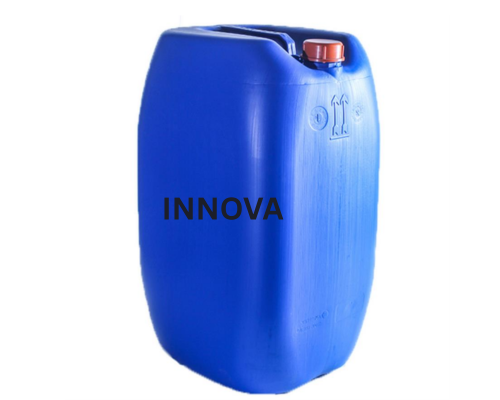
Bio Dispersants in Greater-noida
Innova Corporate (India) offers high-performance Bio-Dispersants, specifically designed for the challenging industrial water conditions of Greater Noida. Industries across Surajpur, Kasna, and Ecotech struggle with biofilm formation, microbial slime, and biological fouling in their cooling towers, heat exchangers, and piping networks. Greater Noida's warm climate reaching 40-45°C in summers combined with nutrient-rich water from Upper Ganga Canal (which carries agricultural runoff and organic matter) and dust from extensive construction activity creates ideal breeding grounds for bacteria, algae, and fungi. Unlike conventional biocides that only kill microorganisms, our Bio-Dispersants work by penetrating and breaking down existing biofilm matrix, dispersing microbial colonies into the bulk water, preventing reattachment of microorganisms to surfaces, and enhancing the effectiveness of oxidizing and non-oxidizing biocides. The product is a proprietary blend of polymeric dispersants, surfactants, and penetrating agents that is non-ionic or cationic depending on formulation, ensuring compatibility with most water treatment programs. It is particularly effective against biofilms composed of Pseudomonas, Bacillus, sulfate-reducing bacteria, and fungal species. Key industries benefiting include automobile plants (where biofilms clog cooling water systems), electronics manufacturing (where biofilms affect ultrapure water quality), pharmaceutical units (biofilm prevention in purified water loops), and engineering fabrication (heat exchanger fouling). Our Bio-Dispersants demonstrate synergistic effects when used with chlorine, bromine, glutaraldehyde, isothiazolinones, and quaternary ammonium compounds, allowing for lower overall biocide usage. Typical dosage ranges from 5-30 ppm based on fouling severity. The product is stable at pH 5-10 and temperatures up to 80°C, and is compatible with most corrosion inhibitors and antiscalants. By implementing our Bio-Dispersants, Greater Noida industries can achieve cleaner heat transfer surfaces (up to 15% improved efficiency), reduced biological fouling-related downtime (saving 2-3 days per year), extended equipment life by reducing biofilm-induced corrosion, lower biocide consumption by 20-30%, and improved ETP performance through reduced biological loading.
Advantages:
- Enhances the anti-microbial activity of biocides and chlorine.
- Minimize the foul smell in the system.
- Compatible with phosphate system of treatment.
- Disperses microbial debris and prevent it from settling.
- Excellent low-foam surfactant.
- Non-corrosive and harmless to cooling tower woods.
- Non- Toxic & Non-pollutant.
- Biodegradable and leaves no residue in the system.