Welcome to our Water Treatment Company!
We'are Open: Mon - Sat 10:00 AM - 06:00 PM

- Call Us for help!
- +91-9911981992
- Mail Us
- sales@innovacorporate.com
Manufacturers, Exporters and Suppliers of INNOVA BCD 425 – Di Chlorophenate Based Biocide for Algae & Bacteria Control in Water Systems in Ghaziabad
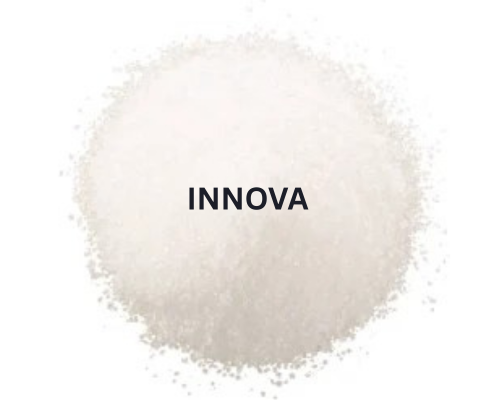
Biocides Di Chlorophenate Based (INNOVA BCD 425) in Ghaziabad
Innova Corporate (India) provides a specialized Di-Chlorophenate based Biocide, a powerful chlorinated phenolic biocide engineered for the most challenging microbial control requirements in Ghaziabad's industrial sector. Facilities across Sahibabad, Modi Nagar, and Raj Nagar Extension dealing with persistent biofilm, fungal infestation, and biocide-resistant microbial populations benefit from this unique formulation. Di-Chlorophenate biocide offers superior performance against fungi and yeasts compared to conventional biocides, along with excellent biofilm penetration capabilities. Ghaziabad's paper mills, textile processing units, leather tanneries, and rubber manufacturing plants often face fungal contamination in addition to bacterial issues - particularly in areas with high humidity and organic nutrient loads. Our Di-Chlorophenate based biocide works through multiple mechanisms: disruption of cell membrane integrity, inactivation of essential enzymes, and precipitation of cellular proteins. This multi-site mode of action makes it effective against biocide-resistant strains and reduces the likelihood of resistance development. The product is particularly effective in acidic to neutral pH conditions (optimal pH 4-8), making it ideal for applications where other biocides lose efficacy. Key applications in Ghaziabad include cooling water systems with persistent fungal problems, paper machine white water (where fungi cause slime), textile sizing operations (anti-fungal treatment), leather processing (preservation), and industrial preservation of water-based products. The biocide also demonstrates good activity against sulfate-reducing bacteria (SRB) found in closed-loop systems and injection water. Our Di-Chlorophenate biocide is stable at elevated temperatures (up to 80°C) and shows good compatibility with non-ionic and anionic surfactants. Typical dosage ranges from 20-100 ppm for maintenance to 100-300 ppm for shock treatment. By using our Di-Chlorophenate biocide, Ghaziabad industries can achieve effective control of fungal problems other biocides cannot resolve, reduced biofilm thickness in persistent systems, longer intervals between cleaning shutdowns (up to 50% longer), and improved product quality in paper and textile operations.
Advantages in Ghaziabad:
- Effective for controlling growth of Algae, Bacteria and Fungi at low concentration providing a cost-effective treatment for local industries in Ghaziabad.
- May be used in conjunction with other non-oxidising biocides available in the region.
- Non-foaming biocide, ensuring there is no additional cost for anti-foams in Ghaziabad-based operations.
- Applicable to cooling water systems operating in a broad pH range and high cycles of concentration, meeting the specific biological control requirements of Ghaziabad's operating conditions.
- Addition of INNOVA BCD 425 to cooling waters does not depress the pH of the bulk water and does not form corrosive by-products, while remaining easily biodegradable in the local environment and sewage systems.
Dosage :
Dosage in cooling water treatment programs is 50 to 75 ppm for the effective control of biocidal activity. For pulp and paper mills 10 ppm dosage is recommended.
Method of Feeding :
INNOVA BCD 425 should be fed as received and not diluted with water or mixed with any chemical feed solution. The chemical should be added to cooling tower basin (or any other point which provides uniform mixing) addition should be made through metering pump to minimise handling.
Feed Requirements :
INNOVA BCD 425 should be fed as received and not diluted with water or mixed with any chemical feed solution. The chemical should be added to cooling tower basin (or any other point which provides uniform mixing) addition should be made through metering pump to minimise handling.
Control Testing :
The best indication of the successful application of INNOVA BCD 425 is visual inspection of tower surfaces or monitoring changes in heat transfer on metal surface of process equipment.
Use of on-site bacterial counts or microscopic examination provide relative indicators of system cleanliness and biological control. If bacteria counts are used, Note that counts may be high immediately after biocide addition. Counts will be lower as control is achieved.
Packing :
INNOVA BCD 425 is available in 25Kgs, 50Kgs & 200 Kgs.